
 Clara Jackson
 The rise of artificial intelligence has transformed various aspects of daily life, and smart home gadgets are at the forefront of this change. These devices offer increased convenience, security, and energy efficiency, enhancing the way individuals interact with their living spaces. From smart thermostats that learn preferences to AI-powered security cameras, these innovations redefine home management.
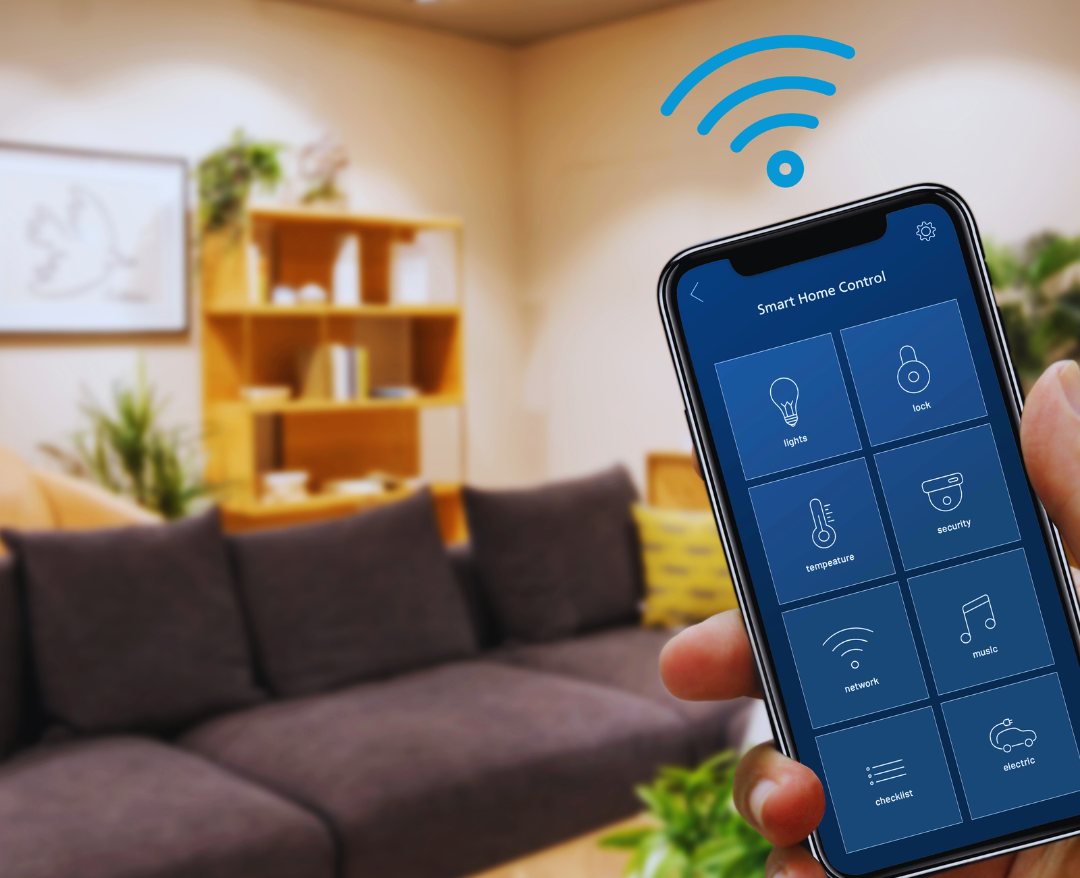
Integrating AI into smart home technology allows for seamless communication between devices. Users can control their homes with voice commands, receive real-time alerts, and automate routine tasks. This level of intelligence makes living spaces not just smarter but also tailored to the lifestyle of their occupants.
As technology continues to advance, the potential for smart home gadgets will only grow. Homeowners who adopt these solutions can enjoy a more streamlined, efficient, and secure environment. Exploring the latest AI developments in this field reveals exciting options for enhancing everyday life.
Foundations of AI Smart Home Gadgets
AI smart home gadgets rely on advanced technologies to enhance automation, voice control, and interconnected ecosystems. Understanding their foundations allows users to fully leverage their capabilities.
AI and Automation in the Smart Home
AI plays a pivotal role in modern smart home technology by enabling devices to learn patterns and respond intelligently. Automation systems can manage tasks such as temperature control, lighting, and security without constant human intervention.
For instance, smart thermostats analyze user habits to optimize heating and cooling efficiently. Similarly, security cameras can identify unusual activity and alert homeowners through smartphones. Integration with protocols like Matter further enhances compatibility between devices, making smart homes more cohesive.
The Role of Voice Assistants
Voice assistants like Amazon Alexa, Google Assistant, and Apple’s Siri serve as the central hub for controlling smart home devices through voice commands. These assistants facilitate easy interaction, allowing users to perform tasks hands-free, such as adjusting the thermostat or playing music.
Voice assistants utilize natural language processing to understand commands, making them effective in diverse environments. Not only do they support various smart devices, but they also integrate with systems such as Apple HomeKit and Google Home, enabling smoother user experiences.
Understanding Smart Home Ecosystems
A smart home ecosystem consists of interconnected devices that communicate seamlessly to improve home management. Leading platforms include Amazon Alexa and Google Home, which support a wide range of products from different manufacturers.
Key components of a smart home ecosystem include:
- Smart hubs: Devices that connect and control multiple gadgets.
- Sensors: Devices that detect environmental changes, enhancing automation.
- Compatible devices: Light bulbs, cameras, and thermostats that work across ecosystems.
This interconnectivity promotes user convenience and maximizes energy efficiency. With platforms like Matter streamlining device compatibility, the smart home landscape continues to grow, offering consumers more options than ever.
Key Devices in AI Smart Homes
AI smart homes incorporate various devices that enhance security, energy efficiency, entertainment, and household management. From smart locks to advanced lighting systems, these technologies streamline daily tasks and improve overall quality of life.
Security and Surveillance
Security remains a high priority in smart homes. Devices like smart locks provide keyless entry and remote access control, ensuring homeowners can manage access securely.
Video doorbells allow residents to see and interact with visitors from anywhere through a smartphone app. Advanced security cameras come equipped with features such as motion detection and night vision, sending alerts directly to users’ devices. A comprehensive home security system combines these devices, offering real-time monitoring and integration with other smart appliances.
Lighting and Energy Management
Smart lighting significantly improves energy efficiency and convenience. Smart light bulbs and systems like Philips Hue can be controlled remotely and programmed for specific schedules or moods. Users can adjust brightness and color from their smartphones or through voice commands via smart speakers.
Additionally, smart plugs allow standard devices to be converted into smart ones, helping monitor and control energy usage. LIFX and Govee offer customizable lighting solutions that can enhance ambiance while reducing energy consumption, contributing to lower utility bills.
Entertainment and Connectivity
Entertainment systems are revolutionized by smart technology. Devices such as smart speakers like Nest Audio and Sonos Era 100 provide high-quality audio and enable hands-free operation for music and streaming services.
With the integration of smart displays, users can watch shows, make video calls, and check schedules all in one place. Seamless connectivity between devices enhances user experience, allowing for voice control over entertainment options, as well as smart home functionalities, such as adjusting lighting or controlling thermostats.
Appliances and Robotics
Modern smart homes leverage robotics for increased efficiency. Robot vacuums are popular for their autonomous cleaning capabilities, requiring minimal user interaction. Brands like iRobot have developed advanced models that map spaces and avoid obstacles.
Smart appliances include refrigerators that manage inventory, washing machines that can be controlled remotely, and ovens that allow for precise temperature settings. Integrating these appliances enriches the smart home experience, making it easier to manage daily chores and maintain a tidy environment.
AI Innovations at CES 2024
CES 2024 showcased a variety of advancements in AI technology within smart home gadgets. Innovations ranged from interactive robotic solutions to smart devices designed for enhanced personal well-being.
Next-Gen Smart Home Gadgets
At CES 2024, several noteworthy smart home gadgets gained attention. The AI-powered smart mirror offers personalized health insights, including skin analysis and daily reminders. Additionally, products like the motion pillow promote better sleep through smart adjustments based on movement.
The Bird Buddy bird feeder uses AI to identify and track different bird species, enhancing the outdoor experience. Ecovacs demonstrated its latest robotic vacuum featuring advanced obstacle avoidance using LiDAR technology.
The Echo Show 8 and Nest Hub Max integrate smart displays with effective home management capabilities. Amazon’s Smart Thermostat and the 4th Gen Echo enhance connectivity for a seamless smart home experience.
Emerging AI Technologies
Emerging technologies at CES 2024 focused on holistic wellness. Light therapy devices provide customizable lighting options for mood enhancement, while guided meditation applications help users relax and improve mental health.
The Nano Leaf lighting systems, recognized as one of the best of CES 2024, combine smart controls with aesthetically pleasing designs. Furthermore, innovative appliances like the electric toothbrush use AI to optimize brushing techniques, providing feedback through connected apps.
The enthusiasm for home robots, including the iRobot Roomba 694, emphasizes the shift towards automation. These devices not only simplify cleaning tasks but also utilize AI to improve efficiency over time, showcasing the future of smart home technology at CES 2024.
Integrating and Expanding Your Smart Home
Incorporating smart home gadgets requires careful consideration of connectivity standards, hub integration, and potential challenges. Understanding these factors ensures a seamless setup and expansion as new devices become available.
Smart Home Hubs and Connectivity Standards
Smart home hubs act as central control systems for managing various devices. These hubs can communicate using different connectivity standards like Zigbee, Thread, and Wi-Fi.
- Zigbee is favored for low-power devices, making it ideal for sensors and smart bulbs.
- Thread offers robust, low-latency connections, particularly beneficial for applications like spatial audio systems.
- Wi-Fi tends to offer higher bandwidth, essential for devices requiring data-rich transmissions, such as video doorbells.
Hubs such as the TP-Link Kasa Smart Wi-Fi Power Strip allow for the management of multiple devices from a single app, streamlining operation and enhancing user experience.
Challenges and Considerations
While integrating smart home products is attractive, challenges exist. Compatibility issues may arise between devices from different manufacturers. Not all products support the same connectivity standards, which can limit functionality.
Users should also consider home automation complexity. It requires a reliable Wi-Fi connection and may necessitate additional investment in devices or hubs to bridge gaps.
Another essential factor is power management. For homes utilizing solar panels, choosing energy-efficient smart devices optimizes the benefits of renewable energy sources.
Finally, maintaining security is critical. Regular updates and secure passwords help protect against unauthorized access to smart home systems.

