
 Clara Jackson
 Exploring indigenous art and crafts offers a rich opportunity to connect with diverse cultures and their unique expressions. Understanding the significance behind each piece can greatly enhance appreciation for Indigenous culture and its cultural heritage. By inviting readers to immerse themselves in the stories and techniques of Indigenous artists, the journey becomes more than just visual; it transforms into an enlightening experience.
Visitors to galleries and markets often witness the intricate craftsmanship that reflects centuries of tradition. Appreciating the materials, methods, and meanings behind the art forms can provide valuable insights into the lives and histories of Indigenous communities. Fostering respectful engagement is crucial to honoring the artists and the narratives encapsulated within their works.
Gaining knowledge about the origins and purposes of indigenous crafts encourages deeper connections. Exploring different artistic styles allows for a broader understanding of the diverse cultural expressions that exist within indigenous societies. Observing how contemporary artists incorporate traditional techniques can reveal the ongoing evolution of these art forms.
Understanding Indigenous Art and Crafts
Indigenous art and crafts serve as vital expressions of cultural heritage and identity. These works often carry deep meanings, symbolizing traditions, beliefs, and connections to the land.
Cultural Significance of Indigenous Art
Indigenous art reflects the values and spiritual beliefs of Native American and Aboriginal cultures. Each piece is often tied to the community’s history, showcasing connections to ancestors and the environment.
Art serves as a medium for cultural preservation, transmitting knowledge across generations. Items like totem poles, pottery, and weaving embody stories and tribal customs. These artworks highlight community values, identity, and resilience, making them important not just aesthetically but culturally.
Traditional Techniques and Materials
Indigenous artisans commonly utilize traditional techniques passed down through generations. Knowledge of natural materials is essential in creating authentic art. For instance, Native American pottery is often made from locally sourced clay, while Aboriginal artists frequently use ochre pigments for painting.
Techniques like weaving, carving, and beadwork employ skills refined over centuries. These methods not only showcase craftsmanship but also reinforce community bonds. The use of traditional motifs and patterns further underlines the connection to cultural identity.
Artistic Expression and Storytelling
Artistic expression in Indigenous cultures serves as a form of storytelling. Each piece can narrate a unique tale or convey life lessons, history, and mythology. For example, the intricate designs in Navajo textiles often carry significant cultural meanings, linking the viewer to the stories behind them.
Through visual art, Indigenous peoples articulate their relationship with nature, spirituality, and community. Craftsmanship becomes a medium through which the past is honored, and contemporary issues are addressed, creating a dialogue that continues to evolve.
Types of Indigenous Art and Crafts
Indigenous art and crafts encompass a rich variety of forms and techniques, each with its unique cultural significance. This section explores key types, showcasing methods and materials that highlight traditional practices.
Beadwork and Weaving
Beadwork is a vibrant expression of indigenous cultures, utilizing glass, stone, and natural materials. Intricate patterns often tell stories or convey tribal identity. Items range from jewelry to ceremonial regalia.
Weaving includes creating woven baskets and woven mats, typically made from grasses, reeds, or other natural fibers. Techniques vary widely between tribes, with some producing tightly woven structures that serve functional purposes, while others focus on artistic expression.
Notable pieces such as wampum belts incorporate beads made from shells, distinguishing them within the landscape of indigenous art.
Pottery and Clay Arts
Indigenous pottery is renowned for its functionality and aesthetic appeal. Many tribes use local clays to create everything from cooking pots to ceremonial vessels. Decorated with intricate symbols and natural pigments, each piece reflects the maker’s culture and personal story.
Clay arts also involve crafting items like medicine bags. These bags often feature sacred designs and serve both practical and spiritual purposes. The ability to mold clay into both artistic and utilitarian forms highlights the versatility of this medium.
Wood Carving and Totem Poles
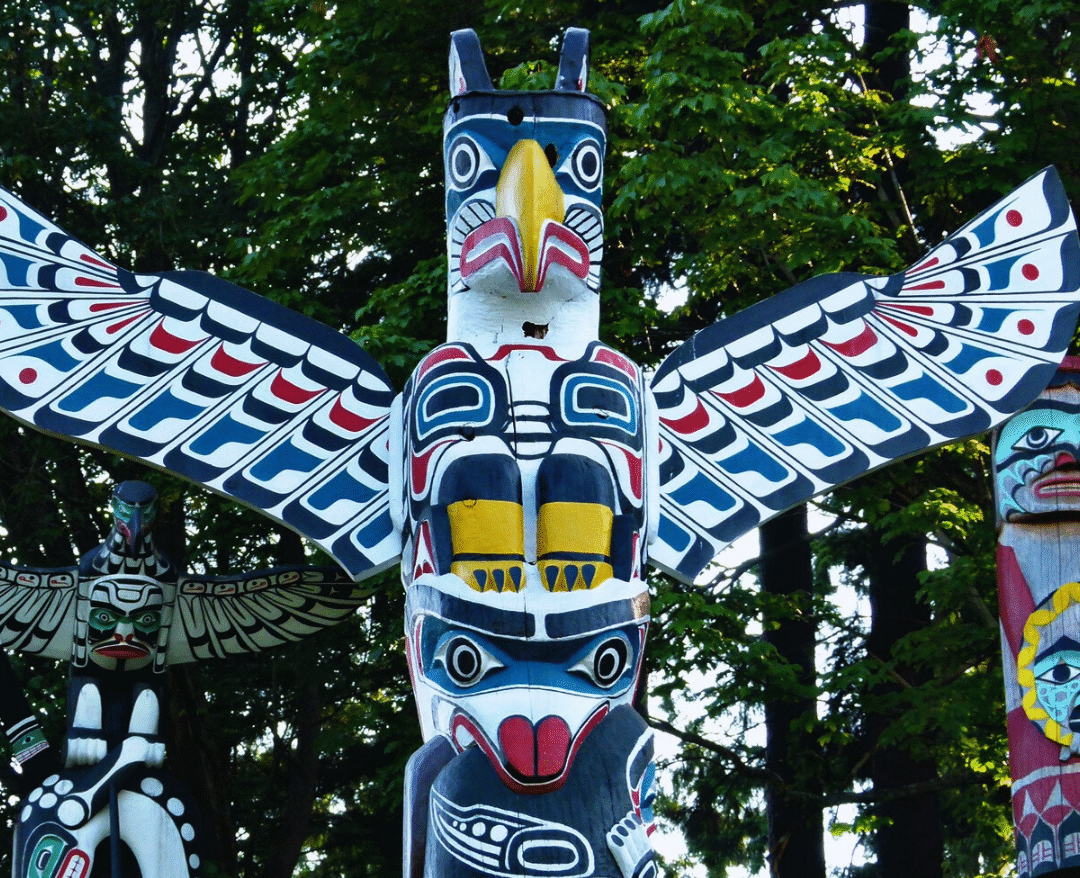
Wood carving is a revered craft, especially among Northwest Coast tribes. Totem poles serve as important cultural markers, depicting clan histories, spiritual beliefs, and social statuses.
Artisans carve these majestic structures from cedar, often combining other forms of art, such as painting, to enhance their narratives. Smaller wooden items, like talking sticks or kachina dolls, are also significant, each carrying meanings that reflect the community’s cultural heritage.
The craftsmanship displayed in wood carving demonstrates not just artistry but also a deep connection between the artisan and their environment.
Paintings and Symbolic Art
Indigenous paintings are a profound means of storytelling, often linked to ancestral traditions. Aboriginal dot painting, for example, uses dotted patterns to convey Dreamtime stories, depicting spiritual connections between land and people.
Bark paintings and rock art represent other essential forms, featuring indigenous symbols that often relay historical narratives. Each artwork becomes a visual language through which sacred stories and cultural beliefs are shared.
Ochre is frequently used as a primary pigment, drawing from natural materials that enhance the authenticity of the artwork. This practice illustrates the spiritual relationship indigenous peoples maintain with their surroundings.
Tips for Exploring Indigenous Art and Crafts
Exploring Indigenous art and crafts offers an opportunity to appreciate the rich cultural heritage of various communities. Engaging with local artisans, visiting markets, and supporting artists are essential steps for a meaningful experience.
Learning from Local Artisans and Indigenous Communities
Connecting with local artisans provides insight into the techniques and traditions that shape indigenous art. By participating in workshops or demonstrations, individuals can witness the skill and creativity involved in crafting items such as pottery, weaving, or beadwork.
Artisans often share stories that convey the cultural significance behind their work, making each piece unique. Engaging respectfully with artisans encourages the continuation of these traditions while fostering a deeper understanding of indigenous perspectives and values.
Visiting Authentic Markets and Cultural Festivals
Authentic markets and cultural festivals showcase a vibrant range of indigenous arts and crafts. These venues often feature works from various indigenous groups, allowing visitors to experience diverse artistic expressions firsthand. Attending a local market enables individuals to purchase unique pieces directly from artists, promoting economic sustainability within their communities.
Cultural festivals provide opportunities to experience traditional performances, storytelling, and art exhibitions. These events deepen cultural appreciation and allow individuals to interact with artists and understand the significance of their work.
Supporting Indigenous Artists and Fair Trade
Supporting indigenous artists through fair trade ensures that they receive fair compensation for their work. Purchasing items directly from artists, whether online or at markets, empowers Indigenous communities economically and culturally.
Engaging with organizations that promote fair trade practices helps protect the rights of indigenous artists. This approach not only aids in sustaining traditional art forms but also fosters cultural resilience among Native American tribes and other Indigenous communities.
Sustainability and Contemporary Approaches
The integration of sustainability in indigenous art and crafts emphasizes respect for natural resources and cultural heritage. Contemporary artists often incorporate natural materials and methods that reflect a commitment to preserving traditions while innovating for the future.
Using Natural Materials and Dyes
Indigenous artists frequently use natural materials sourced from their surroundings, such as clay, wood, and fibers. These resources minimize environmental impact and honor the land’s traditions.
Natural dyes, extracted from plants and minerals, lend vibrant colors to textiles and crafts. This process not only fosters sustainability but also connects the artist to their ancestry. For example, dyes from indigo plants or cochineal insects are historically significant and eco-friendly choices.
Promoting Sustainability and Cultural Preservation
Sustainable practices in indigenous handicrafts promote both environmental ethics and cultural preservation. By focusing on eco-friendly techniques, artists help sustain the ecosystems that provide their materials.
Workshops and community projects often emphasize the importance of passing down traditional knowledge. This includes practices such as weaving, pottery, and beadwork, which are essential for maintaining cultural identity. Supporting artisans through ethical marketplaces uplifts local communities and encourages sustainable practices.
Exploring Craft Ideas and Creative Inspiration
Nature walks offer invaluable inspiration for artists looking to innovate. Observing local flora and fauna can spark new ideas for designs and techniques in their work.
Craft projects that utilize found objects or natural elements encourage environmental awareness. For example, making jewelry from reclaimed materials or crafting home decor from driftwood integrates sustainability with artistry.
These projects not only reflect personal creativity but also reinforce the importance of sustainable practices in artistic expression. Engaging with nature and cultural heritage can lead to a deeper connection, enriching the creative process.

