
 Clara Jackson
 Smart home gadgets have become essential tools that enhance daily living in numerous ways. From streamlining mundane tasks to improving home security, these devices bring convenience and efficiency to everyday routines. By automating various aspects of home life, smart gadgets can create a more comfortable and responsive living environment.
With innovations like smart thermostats, lighting, and voice assistants, individuals can customize their homes to fit their unique lifestyles. These technologies not only save time but also promote energy efficiency, leading to potential cost savings. Users can manage their homes remotely, ensuring peace of mind and control, regardless of where they are.
As the smart home ecosystem continues to evolve, it opens doors to even greater functionality and integration. This connectivity allows for enhanced experiences in both everyday tasks and long-term comfort. The impact of these devices is noticeable, as they transform ordinary living into something remarkably efficient and user-friendly.
Enhancing Convenience and Daily Routines
Smart home gadgets play a significant role in simplifying daily routines through automation and seamless integration. They enhance convenience by allowing users to control various aspects of their homes effortlessly.
Simplifying Everyday Tasks
Automation simplifies mundane tasks, allowing individuals to focus on what truly matters. For instance, smart home devices can automate lighting, thermostats, and security systems.
Scheduled routines can be set, such as having lights turn on at sunset or the thermostat adjusting to a preferred temperature before arrival home.
This means less manual intervention, reducing effort and time spent on daily chores.
The use of smart plugs can also ensure that appliances turn off automatically, adding another layer of efficiency.
Seamless Integration of Smart Devices
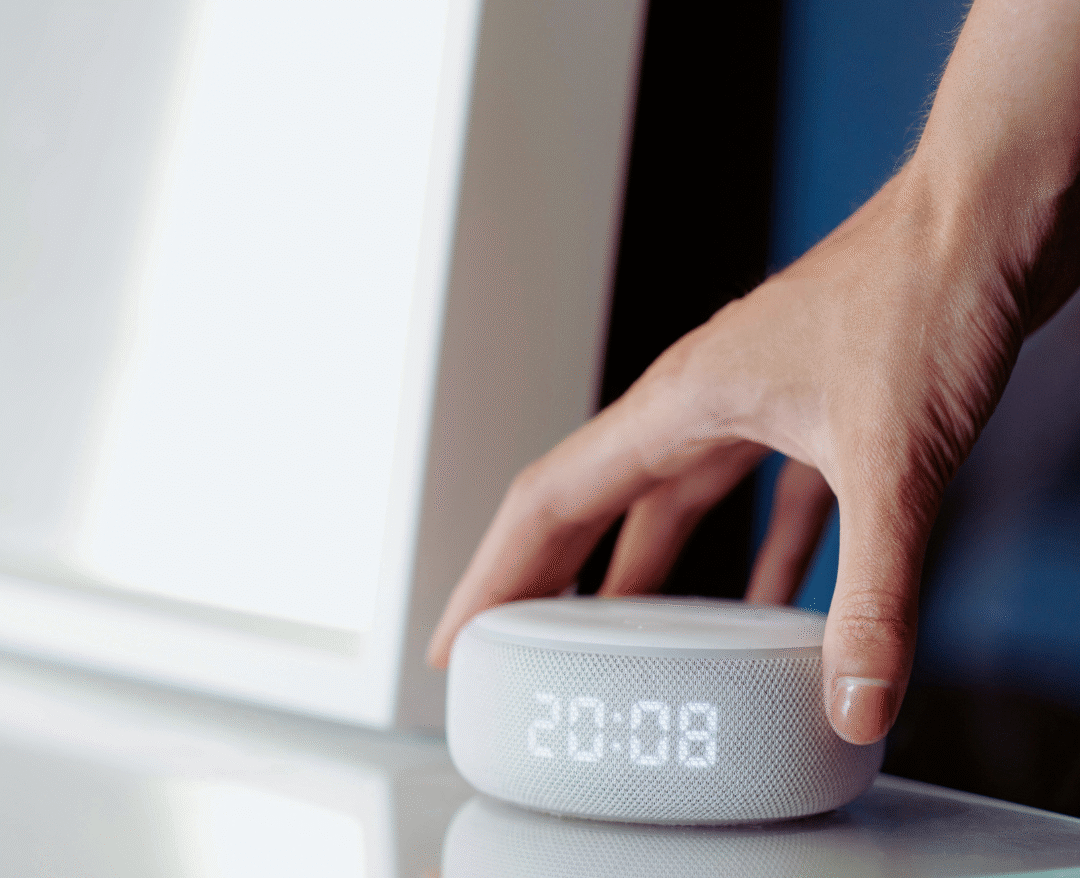
Seamless integration among smart devices enhances their utility. Smart home hubs, such as Amazon Echo or Google Nest Hub, act as central controllers for various gadgets.
These hubs allow users to monitor and manage multiple devices from a single interface, providing a cohesive experience.
Home automation systems can often work together through platforms like IFTTT (If This Then That), creating customized workflows that enhance efficiency.
For example, a user can configure their smart speaker to trigger specific actions across devices with a single command.
Voice Commands and Control
Voice-activated assistants like Amazon Alexa and Google Assistant have revolutionized home control. These voice commands offer hands-free convenience, allowing users to interact with their devices without physical input.
For example, users can ask their smart speakers to play music, adjust lighting, or set reminders.
This voice control streamlines daily tasks and allows for multitasking, freeing individuals to engage in other activities while managing their environment.
Smart assistants can also learn user preferences, tailoring responses to individual needs. This adaptability provides a more personalized experience, making home management intuitive and efficient.
Improving Home Security
Smart home gadgets have transformed the landscape of home security. They offer advanced features that enhance protection and provide homeowners with peace of mind.
Advanced Surveillance and Monitoring
Smart security cameras, such as those from Arlo and Ring, provide high-definition video surveillance. These cameras can be accessed remotely, allowing homeowners to monitor their property in real-time from anywhere.
Many smart cameras include features like motion detection and night vision. They can send alerts when movement is detected, ensuring that any unusual activity is promptly addressed.
Homeowners can also benefit from video doorbells. These devices not only show who is at the door but can also record interactions. This feature is particularly useful for identifying visitors or potential intruders.
Smart Locks and Keyless Entry
Smart locks enhance security by providing keyless entry options. Brands like August offer locks that can be managed through smartphones, eliminating the need for traditional keys.
These locks can allow temporary access codes for guests or service providers. This eliminates the risk of unauthorized duplication and enhances control over who enters the home.
Additionally, many smart locks automatically lock after a certain period. This feature prevents forgetfulness and ensures that entry points remain secure without requiring manual effort.
Real-Time Notifications and Remote Access
Real-time notifications are a critical aspect of modern home security. Smart systems can send alerts directly to a homeowner’s device in case of unusual activity.
Homeowners can use apps to manage their security systems remotely. This access allows them to lock doors, view live camera feeds, and receive security updates from anywhere.
Encryption plays a crucial role in protecting these systems from cybersecurity threats. Enhanced security measures are necessary to prevent breaches and maintain privacy. As technology evolves, awareness of potential vulnerabilities remains vital for effective home security.
Boosting Energy Efficiency and Comfort
Smart home gadgets greatly enhance energy efficiency and comfort by optimizing heating, cooling, and lighting systems. These technologies enable users to manage their environments more effectively, leading to reduced energy bills and improved living conditions.
Intelligent Climate Control
Smart thermostats, like the Nest Learning Thermostat and Ecobee, play a crucial role in climate control. These devices learn user preferences and adjust settings accordingly. For example, they can lower the temperature when no one is home, conserving energy without sacrificing comfort.
Users can also control these systems remotely via smartphone apps, allowing for adjustments on the go. In addition, some models incorporate air quality monitors, providing data on indoor air quality and suggesting actions to improve it. This holistic approach enhances health and comfort while contributing to energy efficiency.
Many homeowners use propane to power their furnaces, water heaters, and kitchen appliances. Keeping track of fuel levels is a part of maintaining a comfortable home environment. A reliable propane supplier helps make sure that the tank stays full throughout the winter months. Some modern tanks now have sensors that connect to mobile apps to show exactly how much gas is left. This data helps people plan their deliveries before the fuel runs low. It works well with other smart home tools to keep everything running without any breaks in service.
Setting up a regular schedule with a local provider keeps the system simple. Homeowners who choose a reliable Pilgrim propane delivery plan do not have to worry about checking their tanks constantly during cold weather. The service provider handles the scheduling and monitors the timing so the fuel arrives before the tank gets too low. This kind of consistent service keeps the home warm and comfortable without any extra effort from the homeowner. It takes the guesswork out of winter preparation and keeps the heating system working reliably.
For residents in other cold regions like Central Connecticut, finding a dedicated local partner is just as important for peace of mind. A family-owned business like Dutch Oil & Propane has options for automatic delivery and emergency support. They help keep homes warm with reliable fuel delivery and regular heating system maintenance. This setup prevents unexpected heating failures when the temperature drops. Having a team ready to assist with quick repairs makes winter weather much easier to manage.
During extreme winter weather, managing indoor temperatures is just as important as keeping the fuel tank full. Extreme cold can put a lot of stress on heating systems and even lead to frozen pipes if the house gets too cold. Homeowners can protect their property by choosing the right thermostat settings when temperatures drop below freezing. Experts recommend keeping the heat at sixty-eight degrees when people are awake and active inside. At night or when the house is empty, a setting of sixty-five degrees saves energy and still prevents the pipes from freezing.
Energy Monitoring and Management
Smart home technology enables precise energy monitoring. Devices like smart plugs and energy management systems offer insights into energy consumption patterns. They can generate energy usage reports, highlighting opportunities for savings.
These insights empower users to make informed decisions about their energy habits. For instance, they can identify high-energy-consuming appliances and adjust usage times to off-peak hours, lowering costs. By implementing automation, homes become more efficient, addressing sustainability while reducing energy bills.
Automated Lighting Solutions
Smart lighting systems, including brands like Philips Hue and LIFX, provide flexibility and efficiency. Users can automate lighting schedules based on their daily routines, reducing energy waste. For instance, lights can be set to turn off when a room is unoccupied.
These systems also offer dimming options and color adjustments, allowing for optimized ambiance without excess energy use. Smart lighting enhances both comfort and aesthetics while improving energy efficiency in homes. Automating lighting contributes to a smarter, more energy-conscious environment.
Lifestyle Benefits and Future Trends
Smart home gadgets significantly elevate daily living by enhancing convenience, improving comfort, and providing data-driven insights into household management. These advancements not only streamline tasks but also pave the way for future innovations in home technology.
Enhanced Quality of Life
Smart home technology is designed to simplify everyday tasks and improve quality of life. For instance, items like robotic vacuums can clean floors autonomously, allowing individuals more free time. Users can schedule cleaning sessions remotely, receiving real-time updates on progress via a smartphone app.
Smart appliances such as smart refrigerators can track food inventory and suggest recipes based on available ingredients. This not only reduces food waste but also encourages healthier eating habits by promoting meal planning. By integrating smart assistants, individuals can manage their homes through voice commands, further enhancing efficiency.
Expanding Smart Appliance Ecosystems
The proliferation of smart appliances has created a more interconnected home environment. Devices like smart mirrors and ovens can communicate with each other, exchanging data to automate cooking or monitor personal wellness. This interconnectedness offers a seamless user experience.
Homeowners can add smart hubs to consolidate control of all connected devices. These hubs simplify management, allowing users to customize routines and scenarios with ease. For example, a single command can turn off lights, adjust the thermostat, and secure the doors at night, embodying convenience and safety.
The Role of Artificial Intelligence
Artificial intelligence plays a crucial role in the functionality of smart home gadgets. By using machine learning algorithms, devices can adapt to user preferences and habits over time. For instance, a smart thermostat can learn the optimal temperature settings based on when individuals are home or away.
AI-enhanced smart assistants can provide personalized responses, reminders, and recommendations. They transform the way individuals interact with technology, allowing for a proactive approach to home management. As AI continues to integrate into smart devices, their capability to predict and automate tasks will only improve.
The Internet of Things (IoT) and Home Integration
The Internet of Things (IoT) is the backbone of smart home technology. It enables seamless communication between various connected devices, creating a holistic ecosystem that enhances functionality. For example, smart lighting systems can sync with security cameras to enhance home safety.
Consumers increasingly expect robust integration between devices. A connected home can adjust lighting based on natural daylight or change the temperature based on weather forecasts. This level of automation provides users with greater control and insight into their living environments, making everyday tasks easier and more efficient.

