
 Clara Jackson
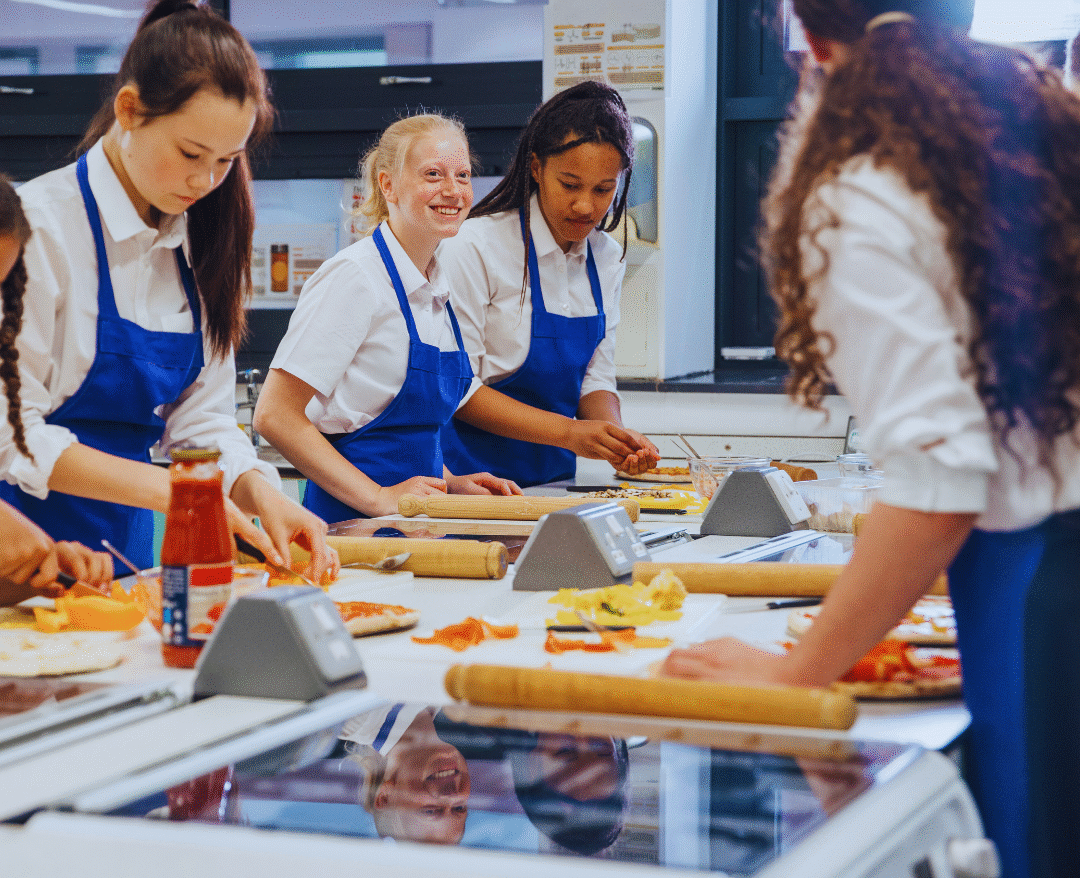
 Exploring regional cooking classes offers a unique opportunity to engage with local culture in a hands-on way. Participants discover the traditions, ingredients, and techniques that define a region’s cuisine, enabling them to connect more deeply with the history and people of that place. Through cooking, they gain insights into the values, customs, and stories that shape every dish.
These classes often feature local chefs who share their expertise and personal anecdotes, enriching the experience. As attendees learn to prepare authentic dishes, they not only acquire culinary skills but also foster a greater appreciation for the cultural significance behind each recipe. This immersive approach transforms food into a means of cultural exploration.
By embracing regional cooking classes, individuals can transcend the ordinary while savoring the diverse flavors of the world. It becomes a journey that tantalizes the taste buds and expands cultural horizons, making every bite a richer experience.
Tasting Culture Through Regional Cooking Classes
Regional cooking classes offer a unique opportunity to explore cultural identities through food. These experiences allow participants to learn not just recipes but also the stories and traditions that shape culinary practices.
The Role of Food in Cultural Storytelling
Food serves as a powerful medium for sharing cultural narratives. Each dish tells a story of its origins, reflecting local ingredients, historical events, and community practices. For instance, a class focused on Italian cuisine often explores the significance of pasta-making in family traditions and regional pride.
Through cooking, participants engage with cultural history and values. They may learn about specific dishes associated with festivals or family gatherings, highlighting the role of food in communal identity. This immersion fosters a deeper appreciation for cooking as an art that preserves stories and heritage.
Benefits of Hands-On Culinary Learning
Hands-on culinary learning enhances experiences by allowing participants to actively engage with ingredients and techniques. This method promotes retention of knowledge and skills, as individuals create dishes themselves rather than merely observing.
Classes often involve exploring local markets, selecting fresh produce, and understanding flavor profiles. Students develop practical skills while appreciating the significance of sourcing ingredients. Additionally, working alongside local chefs provides insights into traditional cooking methods, fostering respect for culinary heritage.
Participating Versus Observing in Food Culture
Active participation in cooking classes differs significantly from passive observation. When participants cook, they embody the cultural practices being taught, experiencing firsthand the joy of creating traditional dishes. This involvement cultivates a stronger emotional connection to the food and its cultural context.
Conversely, merely observing a demonstration may provide surface knowledge but lacks the depth of experience. Engaging directly in the cooking process encourages questions, experimentation, and personal connection to the cuisine. Ultimately, true cultural immersion occurs through action, making participation a vital element of understanding food culture.
Exploring Authentic Regional Flavors
Understanding the specifics of regional cooking classes provides insights into the unique flavors of a culture. Engaging with local ingredients and traditional dishes enhances the overall culinary experience.
Traditional Ingredients and Local Markets
Regional cooking classes often emphasize the use of traditional ingredients sourced from local markets. These markets are vital for experiencing the essence of a region’s cuisine.
Examples of traditional ingredients include:
- Herbs: Fresh basil, cilantro, and oregano are used in Italian and Mexican cuisines.
- Grains: Types of rice or pasta that vary by region, such as Arborio in Italy.
- Produce: Seasonal fruits and vegetables, which can include anything from tomatoes in the Mediterranean to root vegetables in Asian cuisines.
Visiting local markets allows participants to discover the stories behind these ingredients and the farmers who cultivate them. Such experiences deepen appreciation for culinary heritage.
Signature Dishes by Region
Each region boasts signature dishes that capture its unique flavor profile. Learning to prepare these dishes is essential in cooking classes.
Examples include:
- Italian Cuisine: Dishes like risotto and pizza highlight regional variations in toppings and techniques.
- Sushi: Japanese cooking classes focus on fresh fish and the art of rice preparation.
- Indian Cuisine: Classes often cover the use of spices, with dishes like butter chicken and biryani revealing complexity in flavors.
These signature dishes often reflect historical influences and community traditions, providing deeper insights into the culture.
Global Cuisine, Fusion, and Culinary Innovation
While traditional recipes are foundational, many classes now explore fusion cuisine. This innovation often merges techniques and flavors from different culinary traditions.
Examples include:
- Mexican and Asian Fusion: Tacos filled with Korean barbecue or sushi burritos.
- Mediterranean and Middle Eastern: Dishes combining flavors like hummus with Mediterranean dips.
Culinary innovation plays a significant role in modern cooking classes. Participants learn not just to replicate dishes but to understand the creative process behind new culinary expressions. This approach encourages exploration and personal expression in cooking.
Choosing and Experiencing Cooking Classes Abroad
Selecting a cooking class abroad requires careful consideration of various factors. The right choice can enhance the culinary journey and offer deeper insights into regional culture. Participants can find unique opportunities through diversity in class types and cultural interactions.
Selecting the Right Culinary Experience
When choosing a cooking class, it is vital to consider the class content and structure. Look for classes that emphasize local ingredients and traditional techniques. For instance, a class in Italy might focus on pasta-making, while a Japanese course may teach sushi preparation.
Reviews and recommendations can provide insights into the authenticity of the experience. It’s beneficial to select classes led by locals who offer a genuine perspective on culinary traditions. Additionally, consider factors like class size to ensure personalized attention, which significantly enhances learning.
Types of Cooking Classes: Local, Professional, and Online
Cooking classes vary widely in format and focus:
- Local Classes: Often run by home cooks or small culinary schools, these classes usually highlight regional specialties. Participants might explore street food, market tours, or community cooking sessions.
- Professional Classes: These are offered by established culinary schools. They provide in-depth training in specific techniques and styles. Participants can expect a more structured environment, often with certification opportunities.
- Online Classes: These convenience-focused classes allow food enthusiasts to learn from home. Live sessions may include interactive elements, but the experience can differ from the immersive nature of in-person classes.
Each option caters to different preferences and learning styles.
Cultural Exchange Through Shared Meals
Shared meals can transform cooking classes into vibrant cultural exchanges. Many classes culminate in communal dining, encouraging participants to savor the dishes they created. This practice fosters connections among attendees and with local chefs.
Experiencing a meal together provides insight into regional dining customs and etiquette. Participants may also engage in discussions about culinary history and local ingredients. This multi-sensory experience not only enhances the understanding of regional cuisine but also builds lasting memories through food.
Incorporating these elements into cooking classes enriches the overall experience, making it a holistic exploration of culture.
Lasting Impact of Culinary Cultural Exchange
Culinary cultural exchange fosters personal growth while enhancing appreciation for diverse cuisines. It allows individuals to connect through food, exploring unique culinary traditions and local ingredients.
Personal Growth Through Food Exploration
Participating in cooking classes broadens one’s culinary skills and deepens understanding of various cultures. This exploration leads to increased curiosity about cooking techniques, like pasta making, and the stories behind each dish.
Engaging with local ingredients empowers individuals to appreciate regional flavors. Each class offers opportunities to experiment with new recipes and cooking styles. This not only enhances confidence in the kitchen but also encourages a lifelong passion for food.
Bringing Regional Recipes Home
Learning to prepare regional dishes enables individuals to carry a piece of their culinary experience back to their homes. Recreating these recipes allows them to share their adventures with family and friends.
By using local ingredients, they bring authenticity to their dishes while supporting local agriculture. This practice connects them to a global network of food enthusiasts, creating conversations around cultural traditions and their significance.
Ongoing Appreciation for World Cuisine
The impact of culinary classes often extends beyond the classroom. Exposure to diverse cooking styles cultivates a lasting appreciation for global cuisine. This sense of appreciation encourages individuals to try foods from different cultures regularly.
Through continued exploration, they gain knowledge of various culinary practices. This fosters respect for culinary traditions, promoting a deeper connection with the world’s diverse gastronomic landscape. As they embrace these experiences, they become ambassadors for cultural exchange through food.

